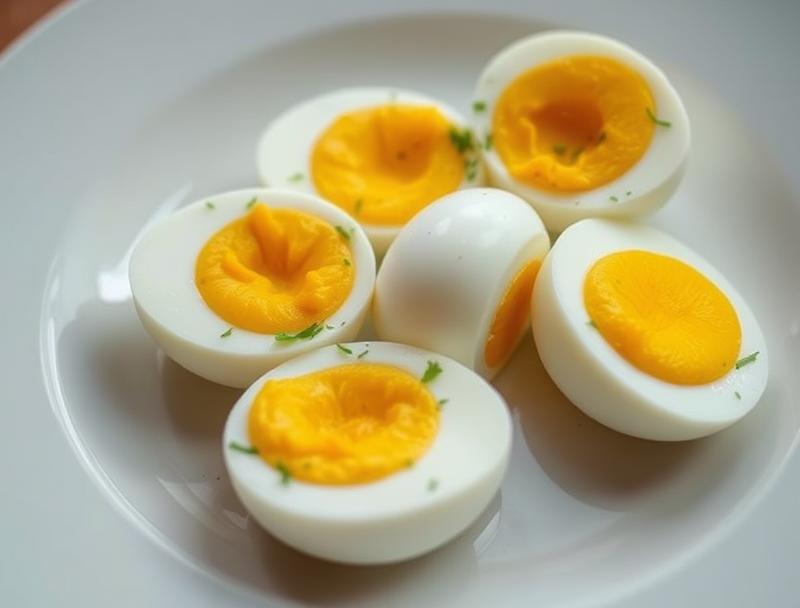
Perfect Soft-Boiled Eggs
Introduction
There’s something undeniably appealing about a perfectly cooked soft-boiled egg, with its runny yolk and set white, served with toast or as part of a more complex dish. Achieving this perfection is easier than you might think, requiring just a few simple ingredients and some basic kitchen equipment. The beauty of soft-boiled eggs lies not only in their delicious flavor but also in their versatility and the ease with which they can be incorporated into various meals, from breakfast to dinner. Whether you’re a culinary novice or an experienced chef, mastering the art of cooking soft-boiled eggs is a skill that will serve you well, allowing you to create a myriad of dishes with minimal effort and maximum creativity.
Why This Works
- Flavor balance and ingredient accessibility: Soft-boiled eggs are all about simplicity, using everyday ingredients to create a dish that is both comforting and sophisticated.
- Ease of preparation: The process of cooking soft-boiled eggs is straightforward and quick, making it an ideal option for busy days or when you need a protein boost in your meal.
- Impressive results with minimal effort: Despite the simplicity of the ingredients and the cooking method, soft-boiled eggs can elevate any dish, making them a great choice for both everyday meals and special occasions.
Ingredients
- 4 large eggs
- Water, enough to cover the eggs
- Salt, for the water (optional)
- Ice, for cooling the eggs (optional)
- Eggs are typically served with various accompaniments such as toast, spinach, smoked salmon, or chili flakes, but these are not necessary for the basic recipe.
Instructions
- Step 1: Begin by filling a saucepan with enough cold water to cover the eggs by about an inch. Adding a pinch of salt to the water is optional but can help with peeling the eggs later.
- Step 2: Place the saucepan over high heat and bring the water to a boil. Once boiling, reduce the heat to a simmer.
- Step 3: Gently place the eggs into the simmering water. If you’re concerned about the eggs cracking, you can create a whirlpool in the water by stirring it in one direction with a spoon and then gently placing the egg into the center of the whirlpool.
- Step 4: Let the eggs cook for 6-7 minutes for large eggs. The cooking time may vary depending on the size of your eggs and your desired level of doneness. After the cooking time has elapsed, remove the eggs from the water with a slotted spoon.
- Step 5: To stop the cooking process and make the eggs easier to peel, immediately transfer them to a bowl of ice water to cool. Once cooled, crack the egg gently and peel off the shell.
- Step 6: Serve your soft-boiled eggs as desired. They can be enjoyed on their own, with toast for dipping into the yolk, or as part of a more elaborate dish like eggs Benedict or a breakfast skillet.
Handy Tips
- Using older eggs can make them easier to peel after cooking. Fresh eggs have a lower pH and a stronger bond between the egg white and the shell membrane, which can make them more difficult to peel.
- Shock the eggs in an ice bath after cooking to help with peeling and to stop the cooking process immediately, ensuring your eggs are cooked to the perfect doneness.
- Experiment with different cooking times to find your perfect level of doneness. Some people prefer their yolks more set, while others like them very runny.
Heat Control
Maintaining the right temperature is crucial when cooking soft-boiled eggs. After bringing the water to a boil, reducing the heat to a simmer (around 180°F to 190°F) helps cook the eggs gently and evenly. The cooking time will depend on the size of the eggs and the desired doneness, but a general guideline is 6-7 minutes for large eggs cooked to a soft-boiled state.
Crunch Factor
Soft-boiled eggs are all about texture, with the runny yolk and set white providing a delightful contrast. To enhance this texture, consider serving the eggs with crunchy or crispy elements like toasted bread, crispy bacon, or fresh, crunchy vegetables.
Pro Kitchen Tricks
- For easier peeling, use eggs that are at least a week to ten days old, as the membrane between the egg and the shell will be less strong, making peeling simpler.
- Use a steamer basket to cook the eggs. This method can help prevent the eggs from cracking as they cook and makes them easier to remove from the water.
- Invest in an egg timer or use a thermometer to ensure your water is at the perfect temperature for cooking eggs, which helps in achieving consistent results.
Storage Tips
- Soft-boiled eggs are best consumed immediately after cooking, but if you need to store them, they can be kept in the refrigerator for a short period. It’s recommended to peel and store them in an airtight container to maintain freshness.
- Avoid storing soft-boiled eggs at room temperature for extended periods, as this can pose a risk of bacterial growth, particularly Salmonella.
- For longer storage, consider hard-boiling the eggs instead, as hard-boiled eggs have a longer shelf life in the refrigerator.
Gift Packaging Ideas
While soft-boiled eggs are typically not gifted due to their perishable nature, if you’re looking to share a related gift, consider packaging items like artisanal egg-related products (e.g., egg seasonings, egg cookbooks), gourmet food baskets that include items often paired with eggs, or even an egg cooker or other kitchen gadget designed for egg preparation.
Flavor Variations
- Different seasonings: Try adding various salts, peppers, or other seasonings to the water for unique flavors.
- Creative toppings: Serve your soft-boiled eggs with a variety of toppings such as smoked salmon, truffle oil, chili flakes, or pickled vegetables to add different flavors and textures.
- Ingredient swaps: While the basic recipe for soft-boiled eggs doesn’t offer much room for ingredient swaps, you can experiment with different types of eggs, such as quail or duck eggs, for varying sizes and flavors.
Troubleshooting
- Texture problems: If your eggs are overcooked, the yolks will be too set. Conversely, if they’re undercooked, the whites may not be fully set. Adjusting the cooking time can help achieve the perfect texture.
- Ingredient replacements: Since the recipe for soft-boiled eggs is quite basic, there’s little room for ingredient replacement without altering the dish significantly. However, you can experiment with different seasonings or accompaniments.
- Over/undercooking signs: An overcooked egg will have a fully set yolk and possibly a greenish tint around the yolk, indicating overcooking. An undercooked egg will have a runnier white or a yolk that’s too liquid for your preference.
FAQs
- Can I freeze it? It’s not recommended to freeze soft-boiled eggs due to the risk of texture changes and potential safety issues. However, hard-boiled eggs can be frozen, but the texture may suffer.
- Is it gluten-free? Yes, soft-boiled eggs are naturally gluten-free, making them a great option for those with gluten intolerance or sensitivity.
- Can I double the recipe? Absolutely, you can cook as many eggs as your pot can comfortably hold, just be sure to adjust the cooking time slightly if cooking a very large batch.
Conclusion
Cooking perfect soft-boiled eggs is an art that, once mastered, can elevate your breakfast, lunch, or dinner to new heights. With their simple yet sophisticated flavor and the versatility they offer, soft-boiled eggs are a staple that every home cook should have in their repertoire. Whether you enjoy them on their own, as part of a more complex dish, or as a quick snack, the perfect soft-boiled egg is just a few minutes away. So, go ahead, experiment with different cooking times, seasonings, and accompaniments to find your perfect egg, and don’t hesitate to share your creations with friends and family.
Perfect Soft-Boiled Eggs
A simple recipe for cooking perfect soft-boiled eggs, with a runny yolk and set white, ideal for breakfast, lunch, or as a snack.
🥘 Ingredients
👩🍳 Instructions
-
1Fill a saucepan with enough cold water to cover the eggs by about an inch.
-
2Bring the water to a boil, then reduce the heat to a simmer.
-
3Gently place the eggs into the simmering water and cook for 6-7 minutes.
-
4Remove the eggs from the water with a slotted spoon and transfer them to an ice bath to cool.
-
5Peel the eggs once they have cooled and serve as desired.