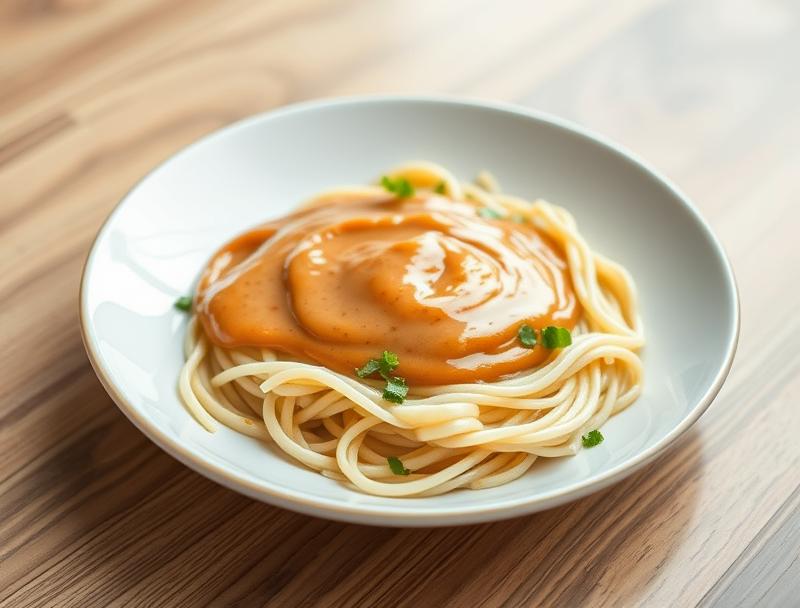
Easy Homemade Peanut Sauce for Dipping & Noodles
Introduction
Welcome to the world of deliciously easy and flavorful homemade sauces! Today, we’re going to dive into the simplicity and richness of a classic favorite: peanut sauce. This versatile and creamy condiment is perfect for dipping, noodles, and so much more. The best part? It’s incredibly easy to make using everyday ingredients, allowing you to unleash your creativity in the kitchen without breaking a sweat. Whether you’re a seasoned chef or a culinary newbie, this peanut sauce recipe is sure to become a staple in your household, offering a depth of flavor that will elevate any dish it touches.
Why This Works
- The balance of flavors in this peanut sauce, combining the nuttiness of peanuts, the tang of vinegar, and the spiciness of chili, creates a harmonious taste experience that complements a wide range of foods.
- The ease of preparation is unparalleled, requiring just a few minutes of blending and simmering, making it an ideal accompaniment for quick weeknight meals or elaborate dinner parties.
- Despite its simplicity, the results are impressively rich and satisfying, with a creamy texture that coats the palate, leaving you and your guests wanting more.
Ingredients
- 1/2 cup creamy natural peanut butter
- 1/4 cup soy sauce
- 1/4 cup water
- 2 tablespoons honey
- 2 tablespoons rice vinegar
- 1 tablespoon grated fresh ginger
- 1 teaspoon garlic, minced
- 1/2 teaspoon red pepper flakes (optional, for some heat)
- Salt, to taste
- Chopped peanuts or scallions, for garnish (optional)
Instructions
- Step 1: Begin by preparing your ingredients. Grate the ginger and mince the garlic. If using red pepper flakes for an extra kick, have them ready.
- Step 2: In a blender or food processor, combine peanut butter, soy sauce, water, honey, rice vinegar, grated ginger, garlic, and red pepper flakes (if using). Blend on high speed until the sauce is smooth and creamy, stopping to scrape down the sides of the blender as needed.
- Step 3: Taste the sauce and adjust the seasoning with salt or additional honey if desired. You can also add a bit more water if you prefer a thinner consistency.
- Step 4: Transfer the sauce to a saucepan and simmer over low heat, whisking constantly, until the sauce has thickened slightly, about 5-7 minutes. Remove from heat and let cool to room temperature.
Handy Tips
- For a lighter version, you can substitute some of the peanut butter with peanut flour or reduce the amount used.
- Always taste as you go and adjust the seasoning. The beauty of homemade sauces lies in their customizability.
- Consider adding other ingredients to personalize your peanut sauce, such as a squeeze of fresh lime juice or a handful of chopped cilantro.
Heat Control
If you’re simmering the sauce to thicken it, be sure to keep the heat low to prevent burning or sticking. Constant whisking is key, and you should start to see the sauce thicken within 5 minutes. The ideal temperature for simmering is just below boiling point, where you see tiny bubbles rising to the surface. This gentle heat helps in reducing the sauce without losing its creamy texture.
Crunch Factor
While the peanut sauce itself is smooth and creamy, you can add a delightful crunch by garnishing with chopped peanuts or scallions. This textural contrast elevates the sauce, making it more engaging and satisfying to eat. For dishes like noodles or salads, consider topping with crunchy elements like toasted peanuts, crispy fried onions, or fresh vegetables to create a well-rounded culinary experience.
Pro Kitchen Tricks
- Use high-quality ingredients. Fresh ginger and real peanut butter make a significant difference in the flavor and texture of your sauce.
- Don’t over-blend. While you want the sauce to be smooth, over-blending can make it too thin and lose its body.
- Make ahead and store in the fridge for up to a week. The flavors will meld together, and the sauce might thicken further, which you can adjust with a bit of water when you’re ready to use it.
Storage Tips
- Store the peanut sauce in an airtight container in the refrigerator. It will keep for about a week.
- For longer storage, consider freezing the sauce. Pour it into an ice cube tray, freeze, and then transfer the frozen cubes to a freezer-safe bag or container. Frozen peanut sauce will keep for several months. Simply thaw what you need and adjust the consistency with water if necessary.
- When reheating, do so gently over low heat, whisking until smooth and heated through.
Gift Packaging Ideas
Peanut sauce makes a wonderful gift for friends and family, especially when packaged thoughtfully. Consider filling decorative jars, topping with a layer of chopped peanuts or a sprinkle of sea salt, and wrapping with a ribbon or gift tag. You could also include a packet of noodles or some crunchy snacks to enjoy with the sauce, making it a complete and thoughtful gift.
Flavor Variations
- Spicy Kick: Add more red pepper flakes or introduce other spicy elements like sriracha or diced jalapeños.
- Herby Freshness: Mix in some chopped fresh herbs like cilantro, basil, or mint for a bright, refreshing twist.
- Sweet and Smoky: Add a drizzle of honey and a sprinkle of smoked paprika for a depth of flavor that’s both sweet and smoky.
Troubleshooting
- Texture Issues: If the sauce becomes too thick, thin it out with a bit of water. If it’s too thin, simmer it for a few minutes to reduce and thicken.
- Ingredient Substitutions: While peanut butter is the star, you can experiment with other nut butters like almond or cashew butter for a different flavor profile.
- Over/Undercooking: Be cautious not to overheat the sauce, as it can separate or become too thick. Underheating might not achieve the desired consistency.
FAQs
- Can I freeze it? Yes, peanut sauce freezes well. Pour into an ice cube tray, freeze, and then store the frozen cubes in a freezer-safe bag or container.
- Is it gluten-free? This recipe is gluten-free, making it suitable for those with gluten intolerance or sensitivity, provided you use gluten-free soy sauce.
- Can I double the recipe? Absolutely. Simply multiply all the ingredients by two. This is especially useful if you’re planning a large gathering or want to stock up for future meals.
Conclusion
Making your own peanut sauce at home is not only easy but also highly rewarding. With its versatility and depth of flavor, it’s sure to become a staple in your kitchen. Don’t be afraid to experiment and make it your own, whether that means adding a bit more spice or using it as a base for other sauces. The joy of cooking lies in exploration and sharing, so enjoy your delicious homemade peanut sauce and the memories you create with it. Happy cooking, and don’t hesitate to reach out with your favorite ways to use this incredible sauce!
Easy Homemade Peanut Sauce for Dipping & Noodles
A simple and flavorful homemade peanut sauce recipe perfect for dipping, noodles, and more, made with peanut butter, soy sauce, honey, and ginger.
🥘 Ingredients
👩🍳 Instructions
-
1Blend all ingredients in a blender or food processor until smooth.
-
2Taste and adjust seasoning as needed.
-
3Simmer the sauce over low heat, whisking constantly, until slightly thickened, about 5 minutes.
-
4Let cool and store in an airtight container in the fridge for up to a week.