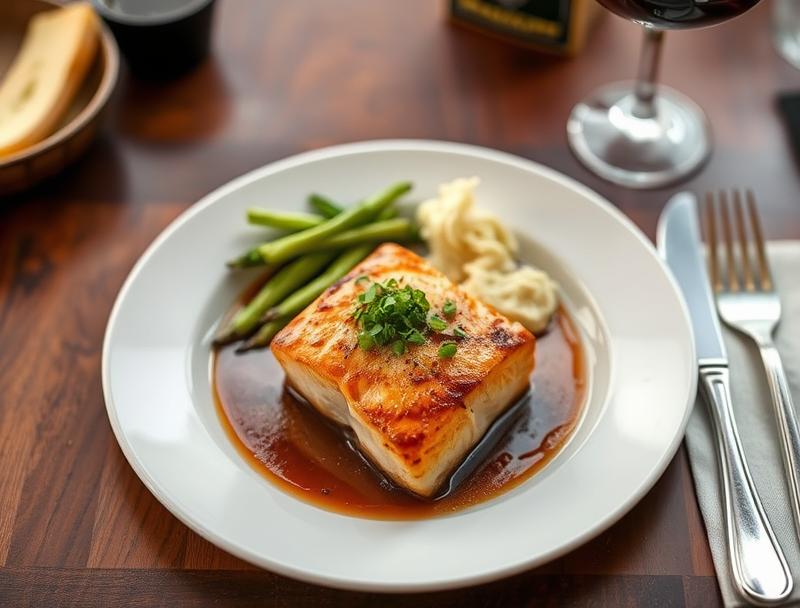
Texas Roadhouse Salmon
Introduction
Imagine sinking your teeth into a juicy, flavorful piece of salmon that’s been perfectly seasoned with a blend of sweet, savory, and tangy flavors, all reminiscent of the bold tastes found at Texas Roadhouse. This Texas Roadhouse Salmon recipe brings the magic of a high-end restaurant right into your home, using everyday ingredients that are easily accessible and requiring minimal effort for maximum flavor. The beauty of this dish lies in its simplicity and the ease with which it can be prepared, making it perfect for both weeknight dinners and special occasions.
Why This Works
- Flavor balance and ingredient accessibility: The combination of honey, soy sauce, lemon juice, and ginger creates a harmonious balance of flavors that complement the salmon beautifully, and these ingredients are likely already stocked in your pantry.
- Ease of preparation: With a straightforward preparation process that involves mixing the ingredients for the marinade and then cooking the salmon, this recipe is a breeze to follow, even for those who are new to cooking.
- Impressive results with minimal effort: Despite the simplicity of the preparation, the end result is a dish that looks and tastes like it was prepared by a professional chef, making it perfect for impressing guests or treating your family to a special meal.
Ingredients
- 4 salmon fillets (about 6 oz each)
- 3 tablespoons honey
- 2 tablespoons soy sauce
- 1 tablespoon fresh lemon juice
- 1 teaspoon grated fresh ginger
- 2 cloves garlic, minced
- 1 tablespoon olive oil
- Salt and pepper, to taste
- Fresh parsley or chives, chopped (for garnish)
Instructions
- Step 1: Begin by preparing your ingredients. In a small bowl, whisk together the honey, soy sauce, lemon juice, grated ginger, and minced garlic until well combined. This marinade will be the key to infusing your salmon with that unmistakable Texas Roadhouse flavor.
- Step 2: Place the salmon fillets in a shallow dish and brush the marinade evenly over both sides of the salmon, making sure each piece is fully coated. Let the salmon marinate for at least 15 minutes to allow the flavors to penetrate the fish.
- Step 3: Preheat your oven to 400°F (200°C). Remove the salmon from the marinade, letting any excess liquid drip off. Place the salmon on a baking sheet lined with parchment paper, drizzle with olive oil, and season with salt and pepper to taste. Bake the salmon in the preheated oven for about 12-15 minutes or until it reaches your desired level of doneness.
- Step 4: Once the salmon is cooked, remove it from the oven and garnish with chopped fresh parsley or chives. Serve immediately and enjoy the praises of your family and friends as they indulge in this delectable dish.
Handy Tips
- For an added crunch, consider topping the salmon with toasted almonds or sesame seeds before baking. This will not only add texture but also introduce a nutty flavor that complements the fish beautifully.
- If you prefer a crisper skin, bake the salmon skin side up for the first 8 minutes, then flip it over to finish cooking. This technique will help achieve a crispy skin while keeping the inside juicy and tender.
- Always check the salmon for doneness by inserting a fork into the thickest part of the fish. If it flakes easily, it’s ready. Overcooking can make the salmon dry, so it’s better to err on the side of undercooking slightly.
Heat Control
Maintaining the right temperature is crucial when cooking salmon. The oven should be preheated to 400°F (200°C) for optimal results. Cooking time may vary depending on the thickness of the salmon fillets and your personal preference for doneness. A general rule of thumb is to cook for 4-6 minutes per half inch of thickness. Always keep an eye on the salmon during the last few minutes of cooking to prevent overcooking.
Crunch Factor
Achieving the right texture is key to making this dish enjoyable. For a tender piece of salmon, ensure not to overcook it. If you’re looking to add a crunchy element, consider sprinkling some chopped nuts or seeds on top of the salmon before baking. This added layer not only provides texture but also a delightful contrast to the softness of the fish.
Pro Kitchen Tricks
- Pat the salmon dry with a paper towel before applying the marinade to ensure it cooks evenly and prevents steam from building up during cooking.
- Use a meat thermometer to check for doneness. Salmon is cooked through when it reaches an internal temperature of 145°F (63°C).
- Let the salmon rest for a couple of minutes before serving. This allows the juices to redistribute, making the fish more tender and flavorful.
Storage Tips
- Leftover salmon can be stored in an airtight container in the refrigerator for up to 3 days. Reheat gently in the oven or microwave until warmed through.
- For longer storage, consider freezing the cooked salmon. Place it in a freezer-safe bag or container, making sure to press out as much air as possible before sealing. Frozen salmon can be stored for up to 3 months. When you’re ready to eat it, thaw overnight in the fridge and reheat as desired.
Gift Packaging Ideas
If you’re considering gifting this dish, perhaps for a potluck or as a meal for a friend in need, presentation is key. Place the cooked salmon in a decorative tin or airtight container, garnished with fresh herbs. Accompany it with a side of rice or roasted vegetables for a complete meal. A thoughtful touch could be including a small bottle of the marinade sauce for the recipient to use in their future cooking endeavors.
Flavor Variations
- Different spices: Experiment with various spice blends like cumin for a Mexican twist or coriander for a Middle Eastern flavor.
- Creative toppings: Add some diced onions, bell peppers, or mushrooms on top of the salmon before baking for added flavor and nutrients.
- Ingredient swaps: For a gluten-free version, ensure your soy sauce is gluten-free or substitute it with tamari. You can also swap the honey with maple syrup for a slightly different flavor profile.
Troubleshooting
- Texture problems: If the salmon turns out too dry, it was likely overcooked. Adjust your cooking time for future attempts. If it’s too raw, cook for a few more minutes and check again.
- Ingredient replacements: If you don’t have lemon juice, you can substitute it with lime or orange juice, though the flavor will be slightly different.
- Over/undercooking signs: Overcooked salmon will be dry and flake easily but feel hard. Undercooked salmon will be soft and moist but might still look a bit raw. Aim for a middle ground where the salmon flakes easily with a fork but still feels moist.
FAQs
- Can I freeze it? Yes, you can freeze the cooked salmon for up to 3 months. Thaw and reheat when needed.
- Is it gluten-free? This recipe can be gluten-free if you use gluten-free soy sauce or tamari. Always check the ingredients of your store-bought items.
- Can I double the recipe? Absolutely, this recipe scales well. Simply double all the ingredients and adjust the cooking time slightly if necessary, depending on the size and thickness of your salmon fillets.
Conclusion
This Texas Roadhouse Salmon recipe is a versatile and delicious addition to any meal. With its balance of sweet, savory, and tangy flavors, it’s sure to become a favorite. Don’t be afraid to experiment with different seasonings and toppings to make the dish your own. Whether you’re a seasoned chef or just starting out in the kitchen, this recipe is a great way to impress your family and friends with minimal fuss. So go ahead, give it a try, and enjoy the delightful flavors of Texas Roadhouse in the comfort of your own home.
Texas Roadhouse Salmon
A flavorful and easy-to-make salmon recipe inspired by Texas Roadhouse, featuring a sweet and savory marinade made with honey, soy sauce, lemon juice, and ginger.
🥘 Ingredients
👩🍳 Instructions
-
1Prepare the marinade by whisking together honey, soy sauce, lemon juice, grated ginger, and minced garlic.
-
2Place the salmon fillets in a shallow dish and brush the marinade evenly over both sides of the salmon, letting it marinate for at least 15 minutes.
-
3Preheat the oven to 400°F (200°C). Remove the salmon from the marinade, letting any excess liquid drip off. Place the salmon on a baking sheet lined with parchment paper, drizzle with olive oil, and season with salt and pepper to taste.
-
4Bake the salmon in the preheated oven for about 12-15 minutes or until it reaches your desired level of doneness. Garnish with chopped fresh parsley or chives and serve immediately.