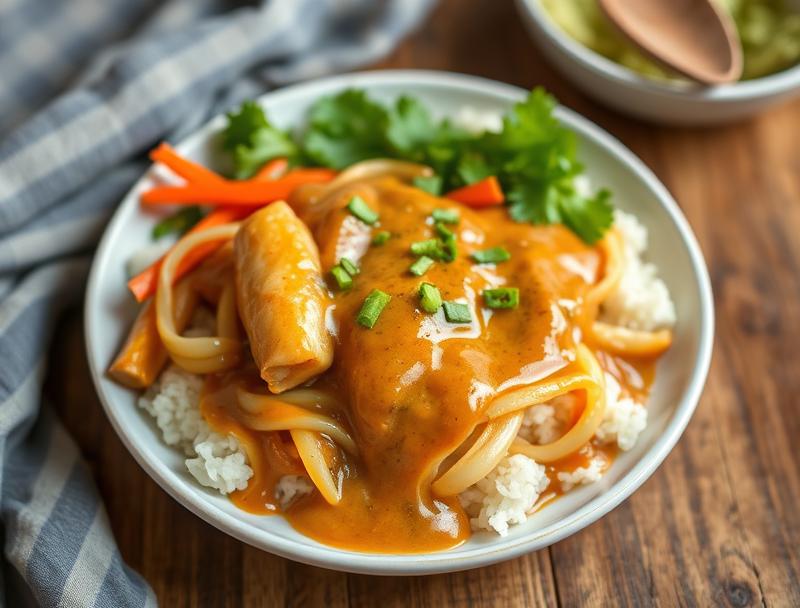
Quick Peanut Satay Sauce Recipe
Introduction
This Quick Peanut Satay Sauce Recipe is a game-changer for anyone looking to add a rich, creamy, and utterly delicious sauce to their meals. Made with everyday ingredients, this sauce is not only easy to prepare but also incredibly versatile. Whether you’re a fan of Asian cuisine, looking for a new dip for your snacks, or simply want to elevate your noodle and vegetable dishes, this peanut satay sauce is the perfect addition. The best part? It’s ready in no time, requiring minimal effort for maximum flavor. Let’s dive into the world of peanut satay sauce and explore why this recipe stands out, its ingredients, and how to make it.
Why This Works
- Flavor balance and ingredient accessibility: The combination of peanut butter, soy sauce, lime juice, and spices creates a balanced flavor profile that is both familiar and exciting. The ingredients! are easily found in most supermarkets, making this recipe accessible to everyone.
- Ease of preparation: The sauce requires minimal cooking and can be prepared in under 30 minutes, making it perfect for weeknight dinners or last-minute gatherings.
- Impressive results with minimal effort: Despite its simplicity, this peanut satay sauce is impressive enough to serve at parties or special occasions. It’s a great way to add a professional touch to your dishes without spending hours in the kitchen.
Ingredients
- 1/2 cup creamy natural peanut butter
- 1/4 cup coconut milk
- 2 tablespoons soy sauce
- 2 tablespoons lime juice
- 1 tablespoon honey
- 1 teaspoon grated fresh ginger
- 1/2 teaspoon garlic, minced
- 1/4 teaspoon red pepper flakes (optional, for some heat)
- Salt, to taste
- Chopped peanuts or cilantro, for garnish (optional)
Instructions
- Step 1: In a blender or food processor, combine peanut butter, coconut milk, soy sauce, lime juice, honey, ginger, garlic, and red pepper flakes (if using). Blend on high speed until smooth and creamy, stopping to scrape down the sides of the blender as needed.
- Step 2: Taste the sauce and adjust the seasoning with salt or more lime juice if necessary. You’re aiming for a balance of salty, sweet, sour, and spicy flavors.
- Step 3: Transfer the sauce to a serving bowl or airtight container. If serving immediately, garnish with chopped peanuts or cilantro for added texture and freshness.
- Step 4: Use the peanut satay sauce as a dip for vegetables, skewers of meat, or as a sauce for noodles and stir-fries. You can also store it in the refrigerator for up to a week or freeze for later use.
Handy Tips
- For a lighter version, you can reduce the amount of peanut butter and add a bit more coconut milk.
- If you prefer a thicker sauce, add a little less coconut milk or simmer the sauce over low heat for about 5 minutes, stirring frequently, until it reaches your desired consistency.
- Experiment with different spices or herbs to give the sauce your personal touch. A pinch of cumin or coriander can add a interesting depth, while fresh cilantro or basil can enhance the freshness.
Heat Control
If you decide to simmer the sauce to thicken it, be cautious not to overheat. Keep the heat on low and stir frequently to prevent burning or separating of the sauce. Ideally, the sauce should simmer gently for about 5 minutes or until it reaches the desired consistency. Remember, you can always thin out the sauce with a bit more coconut milk or water if it becomes too thick.
Crunch Factor
The crunch factor in this recipe comes from the chopped peanuts or cilantro used as a garnish. If you’re looking to add more texture to your dishes, consider serving the peanut satay sauce with crunchy vegetables like carrots, cucumbers, or bell peppers, or with crispy fried wontons.
Pro Kitchen Tricks
- For an extra creamy sauce, make sure to use full-fat coconut milk and natural peanut butter that contains only peanuts and salt.
- When blending the sauce, use short pulses and scrape down the sides of the blender frequently to ensure everything is well incorporated and smooth.
- Consider making a double batch of the sauce and freezing it for future meals. The sauce freezes well and can be a quick and delicious addition to meals on busy days.
Storage Tips
- The peanut satay sauce can be stored in an airtight container in the refrigerator for up to a week. Give it a good stir before using.
- For longer storage, freeze the sauce in an airtight container or freezer bag for up to 3 months. Thaw overnight in the refrigerator or at room temperature when you’re ready to use it.
- When reheating frozen sauce, you might need to whisk in a bit of water or coconut milk to restore its original consistency.
Gift Packaging Ideas
This peanut satay sauce makes a wonderful gift for friends and family who enjoy cooking or are looking for new flavors to add to their meals. Consider packaging the sauce in decorative jars, adding a gift tag with serving suggestions, and pairing it with some crunchy snacks or skewers for a complete gift set. A ribbon around the jar and a few fresh herbs tucked into the ribbon can add a charming touch.
Flavor Variations
- Different spices: Add a pinch of cumin for a smoky depth, some coriander for a slightly sweet and citrusy note, or a bit of cinnamon for warmth.
- Creative toppings: Use toasted sesame seeds, chopped scallions, or grated carrots as toppings for added texture and flavor.
- Ingredient swaps: Substitute almond butter or cashew butter for the peanut butter to change the flavor profile. You can also use Greek yogurt or sour cream instead of coconut milk for a tangier sauce.
Troubleshooting
- Texture problems: If the sauce is too thick, thin it out with a bit of water or coconut milk. If it’s too thin, simmer it over low heat or add a bit more peanut butter.
- Ingredient replacements: If you’re allergic to peanuts, consider using sunflower seed butter or another nut butter as a substitute. For coconut milk, you can use almond milk or another non-dairy milk, though the flavor and richness might be slightly different.
- Over/undercooking signs: Since this sauce doesn’t require extensive cooking, the main thing to watch out for is overheating when simmering to thicken. If the sauce starts to separate or develop an unpleasant smell, it’s been overheated.
FAQs
- Can I freeze it? Yes, the peanut satay sauce can be frozen for up to 3 months. Simply thaw it overnight in the refrigerator or at room temperature when you’re ready to use it.
- Is it gluten-free? Yes, this recipe is gluten-free, making it suitable for those with gluten intolerance or sensitivity. Just ensure that the peanut butter and soy sauce you use are gluten-free.
- Can I double the recipe? Absolutely! Doubling the recipe is a great idea, especially if you plan to use the sauce frequently or want to share some with friends. Just remember to adjust the blending time accordingly if you’re making a larger batch.
Conclusion
This Quick Peanut Satay Sauce Recipe is a versatile and delicious addition to any meal. With its balanced flavors, ease of preparation, and numerous uses, it’s a recipe you’ll return to time and time again. Feel free to experiment with different spices and ingredients to make it your own, and don’t hesitate to share your creations with friends and family. Whether you’re a seasoned chef or just starting your culinary journey, this peanut satay sauce is sure to become a favorite. So go ahead, give it a try, and enjoy the process of cooking and sharing delicious meals with the people you love.
Quick Peanut Satay Sauce Recipe
A quick and delicious peanut satay sauce made with peanut butter, coconut milk, and spices. Perfect for noodles, stir-fries, or as a dip.
🥘 Ingredients
👩🍳 Instructions
-
1In a blender or food processor, combine peanut butter, coconut milk, soy sauce, lime juice, honey, ginger, garlic, and red pepper flakes (if using). Blend on high speed until smooth and creamy, stopping to scrape down the sides of the blender as needed.
-
2Taste the sauce and adjust the seasoning with salt or more lime juice if necessary.
-
3Transfer the sauce to a serving bowl or airtight container. If serving immediately, garnish with chopped peanuts or cilantro for added texture and freshness.
-
4Use the peanut satay sauce as a dip for vegetables, skewers of meat, or as a sauce for noodles and stir-fries.