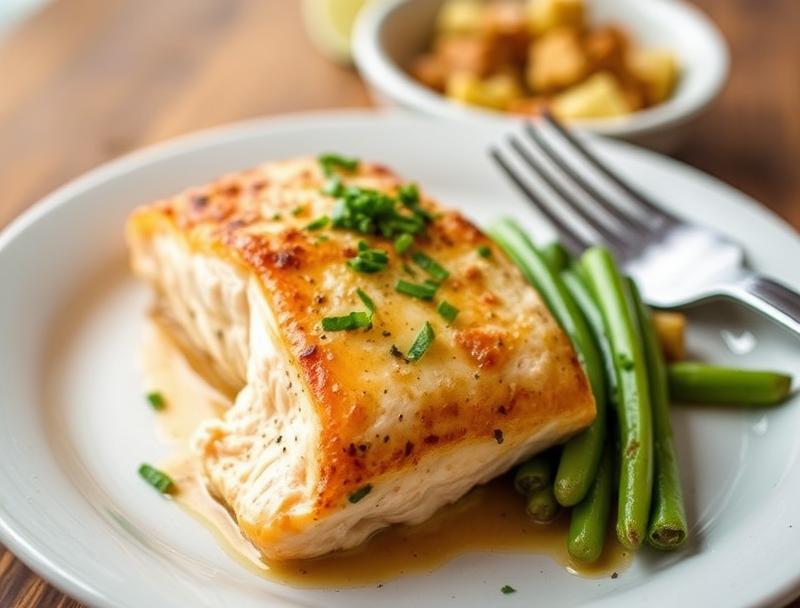
Texas Roadhouse Baked Salmon Copycat – Easy Weeknight Dinner Recipe
Introduction
Imagine a dish so flavorful, it transports you to the heart of Texas, all from the comfort of your own home. The Texas Roadhouse Baked Salmon Copycat is more than just a recipe; it’s an experience. This easy weeknight dinner recipe combines the richness of salmon with a blend of tangy, sweet, and savory flavors, all achieved with everyday ingredients. Whether you’re a seafood lover or just looking to spice up your meal routine, this recipe is a must-try. It’s a testament to how creativity in the kitchen can lead to impressive results without requiring a culinary degree or a lot of time.
Why This Works
- Flavor balance and ingredient accessibility: This recipe strikes a perfect balance between flavors, ensuring that each bite is a harmonious blend of sweet, savory, and tangy. Moreover, it uses ingredients that are readily available in most supermarkets, making it accessible to everyone.
- Ease of preparation: Despite its impressive flavor profile, this dish is incredibly easy to prepare. It requires minimal prep time and cooks quickly, making it perfect for busy weeknights.
- Impressive results with minimal effort: One of the best things about this recipe is how it can elevate a simple salmon fillet into a restaurant-quality dish with minimal effort. It’s perfect for those who want to impress without spending hours in the kitchen.
Ingredients
- 4 salmon fillets (about 6 oz each)
- 3 tablespoons honey
- 2 tablespoons soy sauce
- 1 tablespoon fresh lemon juice
- 1 teaspoon grated fresh ginger
- 2 cloves garlic, minced
- 1 tablespoon olive oil
- Salt and pepper, to taste
- Fresh parsley or chives, chopped (for garnish)
Instructions
- Step 1: Begin by preheating your oven to 400°F (200°C). While the oven is heating up, prepare your ingredients. Chop the parsley or chives for garnish, mince the garlic, and grate the ginger. This step is crucial as it sets the stage for the rest of the recipe.
- Step 2: In a small bowl, whisk together the honey, soy sauce, lemon juice, grated ginger, and minced garlic until well combined. This sauce is the heart of the dish, providing a rich and complex flavor profile to the salmon.
- Step 3: Place the salmon fillets in a baking dish lined with parchment paper. Brush the salmon with olive oil and season with salt and pepper to taste. Then, pour the honey-soy sauce mixture evenly over the salmon fillets, making sure each piece is well coated.
- Step 4: Bake the salmon in the preheated oven for about 12-15 minutes or until it reaches your desired level of doneness. The salmon should flake easily with a fork when it’s cooked through. Remove from the oven and garnish with chopped parsley or chives. Serve immediately and enjoy!
Handy Tips
- For an extra crispy top, broil the salmon for an additional 1-2 minutes after baking. Keep an eye on it to avoid burning.
- Consider substituting the salmon with other fish fillets like cod or tilapia for a different flavor and texture.
- Avoid overcooking the salmon. It should be cooked through but still moist and flaky.
Heat Control
Heat control is crucial in this recipe. The oven should be preheated to 400°F (200°C) to ensure the salmon cooks evenly and quickly. If you prefer your salmon more well done, you can cook it for an additional 2-3 minutes, but be cautious not to overcook it. The ideal internal temperature for cooked salmon is between 145°F (63°C) and 150°F (66°C).
Crunch Factor
The crunch factor in this dish comes from the caramelized top that forms during the baking process, especially if you decide to broil it for a minute or two at the end. This adds a nice textural element to the dish, contrasting the tender salmon underneath. To enhance the crunch, you can also sprinkle some toasted sesame seeds or chopped nuts on top of the salmon before baking.
Pro Kitchen Tricks
- Use high-quality ingredients: The flavor of your dish is only as good as the ingredients you use. Choose fresh salmon and real honey for the best taste.
- Don’t overcrowd the baking dish: Give each salmon fillet enough space to cook evenly. Overcrowding can lead to uneven cooking and a less appealing presentation.
- Clean as you go: To make cleanup easier, clean your utensils and bowls as you go. This habit will save you time in the long run and make cooking more enjoyable.
Storage Tips
- Leftover salmon can be stored in an airtight container in the refrigerator for up to 2 days. Reheat it gently in the oven or microwave until warmed through.
- Freezing is not recommended for cooked salmon as it can become dry and lose its texture. However, you can freeze the raw salmon fillets before cooking and then thaw and cook them as needed.
- When reheating, make sure the salmon reaches a safe internal temperature of at least 145°F (63°C) to ensure food safety.
Gift Packaging Ideas
While salmon is typically consumed fresh, the idea of gifting a meal can be thoughtful. Consider gifting the ingredients for this recipe, beautifully packaged in a basket with fresh parsley, a bottle of soy sauce, and a jar of honey, along with the recipe itself printed on a nice card. This can be a unique and appreciated gift for any foodie or someone who loves to cook.
Flavor Variations
- Different spices: Try adding some red pepper flakes for a spicy kick or some dried dill for a more traditional salmon flavor.
- Creative toppings: Top your baked salmon with some sautéed spinach, cherry tomatoes, or sliced avocado for added flavor and nutrition.
- Ingredient swaps: Substitute the honey with maple syrup for a slightly different sweetness or use lime juice instead of lemon for a bit of zest.
Troubleshooting
- Texture problems: If your salmon turns out dry, it might be overcooked. Try reducing the cooking time in the future. If it’s undercooked, pop it back in the oven for a few more minutes.
- Ingredient replacements: If you don’t have soy sauce, you can substitute it with tamari or coconut aminos for a similar umami flavor.
- Over/undercooking signs: Check the salmon frequently towards the end of the cooking time. It should flake easily with a fork when cooked through. If it still looks raw or feels soft, it needs more time.
FAQs
- Can I freeze it? It’s not recommended to freeze cooked salmon, but you can freeze raw salmon fillets before cooking.
- Is it gluten-free? Yes, this recipe is gluten-free, making it a great option for those with gluten intolerance or preference.
- Can I double the recipe? Absolutely, just ensure you have a large enough baking dish to accommodate all the salmon fillets without overcrowding.
Conclusion
This Texas Roadhouse Baked Salmon Copycat recipe is a game-changer for any home cook looking to impress with minimal fuss. It’s a versatile dish that can be adjusted to suit various tastes and dietary needs. Whether you’re cooking for yourself or a crowd, this recipe is sure to become a favorite. Don’t be afraid to experiment with different flavors and ingredients to make it your own, and enjoy the process of creating something truly delicious in your kitchen.
Texas Roadhouse Baked Salmon Copycat – Easy Weeknight Dinner Recipe
A flavorful and easy-to-make baked salmon recipe inspired by Texas Roadhouse, perfect for weeknight dinners.
🥘 Ingredients
👩🍳 Instructions
-
1Preheat oven to 400°F (200°C).
-
2Prepare the honey-soy sauce mixture by whisking together honey, soy sauce, lemon juice, grated ginger, and minced garlic.
-
3Season the salmon fillets with salt, pepper, and brush with olive oil. Then, pour the honey-soy sauce mixture over the salmon.
-
4Bake the salmon in the preheated oven for 12-15 minutes or until cooked through. Garnish with chopped parsley or chives before serving.