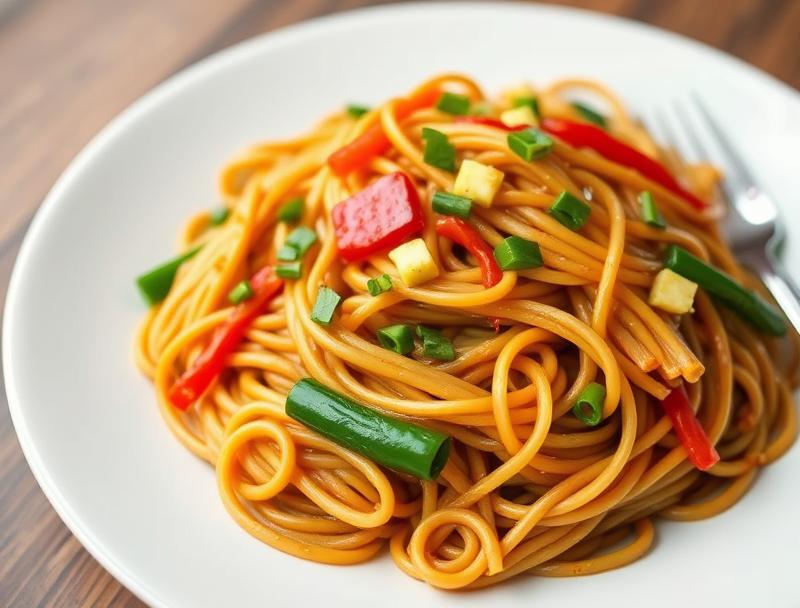
Flavorful Easy Lo Mein Recipe
Introduction
Embark on a culinary journey to the heart of Chinese cuisine with this incredibly easy and flavorful Lo Mein recipe. Lo Mein, which translates to “stirred noodles,” is a beloved dish that combines the perfect balance of savory flavors, tender noodles, and an assortment of vegetables and your choice of protein, all stir-fried to perfection. The beauty of this recipe lies in its simplicity, requiring minimal effort while yielding impressive results that are sure to delight both beginners and seasoned cooks alike. With everyday ingredients and a few clever tricks, you can create a dish that not only tastes authentic but also looks appealing, making it perfect for family dinners, quick lunches, or even as a gift for friends and family.
Why This Works
- Flavor balance and ingredient accessibility: This recipe strikes a perfect balance between sweet, salty, and umami flavors, using ingredients that are easily found in most supermarkets, making it accessible to everyone.
- Ease of preparation: The steps are straightforward, requiring minimal prep time and cooking techniques that are easy to master, even for those new to cooking.
- Impressive results with minimal effort: Despite its simplicity, the end result is a dish that looks and tastes like it was prepared in a professional kitchen, sure to impress anyone who tries it.
Ingredients
- 8 oz Lo Mein noodles
- 2 tablespoons vegetable oil
- 1 onion, sliced
- 2 cloves garlic, minced
- 1 cup mixed vegetables (e.g., cabbage, carrots, bean sprouts)
- 1 cup cooked chicken, diced (or protein of your choice)
- 2 tablespoons soy sauce
- 1 tablespoon oyster sauce (optional)
- 1 tablespoon honey
- Salt and pepper, to taste
- Scallions, chopped (for garnish)
Instructions
- Step 1: Begin by cooking the Lo Mein noodles according to the package instructions. Typically, this involves boiling them for 3-5 minutes or until they are slightly undercooked, then draining and setting them aside.
- Step 2: In a large skillet or wok, heat 1 tablespoon of vegetable oil over medium-high heat. Add the sliced onion and cook until it starts to soften, about 2 minutes. Then, add the minced garlic and cook for another minute, stirring constantly to prevent burning.
- Step 3: Add the mixed vegetables and cooked chicken to the skillet. Stir-fry for about 3-4 minutes, or until the vegetables are tender-crisp. Then, add the cooked noodles to the skillet, stirring to combine with the vegetable and chicken mixture.
- Step 4: In a small bowl, whisk together the soy sauce, oyster sauce (if using), and honey. Pour the sauce over the noodle mixture and stir-fry for another 2 minutes, ensuring everything is well coated with the sauce. Season with salt and pepper to taste. Finally, garnish with chopped scallions and serve hot.
Handy Tips
- For an extra burst of flavor, add a teaspoon of grated fresh ginger along with the garlic in Step 2.
- Customize your Lo Mein by using different proteins such as beef, pork, tofu, or a combination of your favorites.
- Avoid overcooking the noodles, as they will continue to cook a bit after being drained and added to the stir-fry.
Heat Control
Maintaining the right heat is crucial for a perfect stir-fry. Start with medium-high heat to quickly cook the protein and vegetables, then adjust to medium heat when adding the noodles to prevent them from burning or sticking to the pan. The ideal temperature for stir-frying is between 325°F to 400°F (165°C to 200°C). Cook until the ingredients are tender but still crisp, and the noodles are heated through and well combined with the sauce.
Crunch Factor
Achieving the right texture in Lo Mein is about balance. You want your noodles to be tender but not mushy, and your vegetables to be crisp but not raw. The key is in not overcooking either component. For added crunch, consider adding some chopped nuts or seeds towards the end of the stir-frying process.
Pro Kitchen Tricks
- Use a wok if you have one, as its shape and material are ideal for quick and even stir-frying. If not, a large skillet will work just as well.
- Prepare all your ingredients before starting to cook, a technique known as “mise en place,” to ensure a smooth and efficient cooking process.
- Cook in batches if necessary, to prevent overcrowding the pan, which can lead to steaming instead of stir-frying.
Storage Tips
- Leftover Lo Mein can be stored in an airtight container in the refrigerator for up to 3 days. Reheat it in a pan with a little oil or in the microwave until heated through.
- For longer storage, consider freezing the cooked noodles and vegetable mixture separately, then combining and reheating when needed.
- When reheating, add a splash of water or broth to prevent the noodles from drying out.
Gift Packaging Ideas
Lo Mein can be a thoughtful and unique gift, especially if packaged nicely. Consider portioning it out into individual serving containers, then topping each with a sprinkle of scallions and a few sesame seeds. Wrap the containers in decorative paper or bags and add a personalized note for a touch of warmth.
Flavor Variations
- Different spices: Add a pinch of red pepper flakes for a spicy kick or some Chinese five-spice powder for added depth.
- Creative toppings: Offer a variety of toppings such as diced green onions, sliced almonds, pickled ginger, or a drizzle of chili oil to let everyone customize their dish.
- Ingredient swaps: Substitute the chicken with shrimp, beef, or tofu for a vegetarian option, and experiment with different mixed vegetables to find your favorite combination.
Troubleshooting
- Texture problems: If your noodles are too sticky, try rinsing them with cold water after cooking. If your vegetables are too soft, reduce the cooking time in future attempts.
- Ingredient replacements: If you can’t find Lo Mein noodles, you can substitute them with rice noodles or even spaghetti in a pinch, though the flavor and texture will be slightly different.
- Over/undercooking signs: Noodles that are overcooked will be mushy and stick together. Vegetables that are undercooked will be raw and crunchy. Adjust your cooking time based on these signs.
FAQs
- Can I freeze it? Yes, you can freeze cooked Lo Mein for up to 2 months. It’s best to freeze the components separately for easier reheating.
- Is it gluten-free? This recipe can be adapted to be gluten-free by using gluten-free soy sauce and ensuring that the noodles and any added ingredients are gluten-free.
- Can I double the recipe? Absolutely, just keep in mind that you may need to cook in batches to prevent overcrowding the pan.
Conclusion
This Flavorful Easy Lo Mein Recipe is a versatile and delicious addition to any meal repertoire. With its balance of flavors, ease of preparation, and the ability to customize with your favorite ingredients, it’s a dish that everyone can enjoy. Don’t be afraid to experiment and make it your own, and remember, the key to a great Lo Mein is in the stir-frying technique and the quality of your ingredients. Share your creations, and don’t hesitate to reach out with any questions or your own favorite variations. Happy cooking!
Flavorful Easy Lo Mein Recipe
A simple and delicious Lo Mein recipe that combines tender noodles with a variety of vegetables and your choice of protein, all stir-fried to perfection.
🥘 Ingredients
👩🍳 Instructions
-
1Cook the Lo Mein noodles according to the package instructions.
-
2Heat oil in a large skillet or wok over medium-high heat, then add the sliced onion and cook until it starts to soften.
-
3Add the mixed vegetables and cooked chicken to the skillet and stir-fry until the vegetables are tender-crisp.
-
4Add the cooked noodles to the skillet, stir to combine, then add the soy sauce, oyster sauce (if using), and honey, stirring everything together.