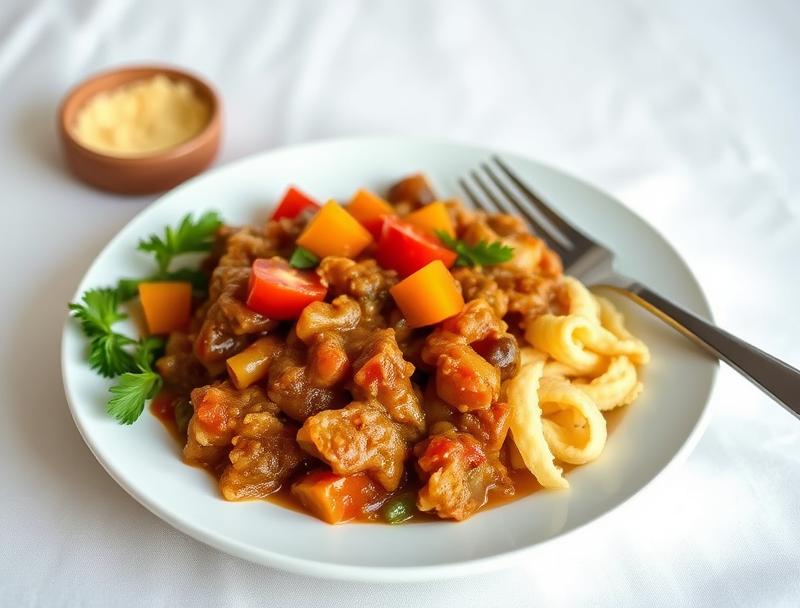
Grandma’s Goulash
Introduction
Imagine a hearty, comforting dish that warms the soul and satisfies the appetite, all made with everyday ingredients and a dash of love. Grandma’s Goulash is just that – a classic recipe passed down through generations, perfected over time, and now shared with you. This traditional Hungarian stew is a masterclass in balance and flavor, combining tender chunks of beef, fresh vegetables, and a rich, slightly sweet broth. What makes it truly special is its accessibility; with a few simple ingredients and some basic kitchen skills, you can create a meal that’s not only delicious but also impressive. Whether you’re cooking for a family dinner or a casual gathering with friends, Grandma’s Goulash is sure to become a new favorite.
Why This Works
- Flavor balance and ingredient accessibility: The beauty of Grandma’s Goulash lies in its simplicity. Using common ingredients like ground beef, onions, garlic, and tomatoes, it achieves a depth of flavor that’s hard to resist.
- Ease of preparation: This recipe is a one-pot wonder, requiring minimal preparation and cleanup. It’s perfect for busy days when you need a satisfying meal without the fuss.
- Impressive results with minimal effort: Despite its simplicity, the end result is a dish that looks and tastes like it was made with much more effort. The slow-cooked beef and vegetables create a rich, comforting stew that’s sure to impress.
Ingredients
- 1 lb ground beef
- 1 large onion, chopped
- 3 cloves garlic, minced
- 2 medium carrots, peeled and chopped
- 2 medium potatoes, peeled and chopped
- 1 large bell pepper, chopped
- 2 cups beef broth
- 1 can (14.5 oz) diced tomatoes
- 1 teaspoon paprika
- 1 teaspoon caraway seeds
- Salt and pepper, to taste
- 2 tablespoons olive oil
- Fresh parsley, chopped (for garnish)
Instructions
- Step 1: Begin by heating the olive oil in a large pot over medium heat. Add the chopped onion and cook until it’s translucent and starting to caramelize, about 5 minutes.
- Step 2: Add the minced garlic and cook for another minute, stirring constantly to prevent burning. Then, add the ground beef, breaking it up with a spoon as it cooks, until it’s no longer pink, about 5-7 minutes.
- Step 3: Add the chopped carrots, potatoes, and bell pepper. Cook for an additional 5 minutes, stirring occasionally, allowing the vegetables to start tenderizing.
- Step 4: Pour in the beef broth, diced tomatoes, paprika, and caraway seeds. Season with salt and pepper to taste. Bring the mixture to a boil, then reduce the heat to low, cover the pot, and let it simmer for 30 minutes, or until the vegetables are tender and the flavors have melded together.
Handy Tips
- For a thicker stew, reduce the amount of beef broth or add a little cornstarch to thicken. Always taste and adjust the seasoning as you go.
- Consider adding other vegetables like zucchini, green beans, or mushrooms to make the dish more versatile and nutritious.
- Avoid overcooking the stew, as it can become too thick and the flavors may become muted.
Heat Control
When cooking Grandma’s Goulash, it’s essential to control the heat to ensure that the stew cooks slowly and evenly. After bringing the mixture to a boil, reduce the heat to low and let it simmer. This slow cooking process breaks down the connective tissues in the meat and vegetables, making them tender and flavorful. Ideally, the stew should simmer at a temperature of around 180°F to 190°F (82°C to 88°C) for the best results.
Crunch Factor
The texture of Grandma’s Goulash is hearty and comforting, with tender chunks of beef and vegetables. To achieve the right consistency, cook the stew until the vegetables are tender but still slightly firm. This balance of textures, along with the rich broth, makes the dish satisfying and enjoyable to eat. For an added crunch, consider serving the goulash with a side of crusty bread or over egg noodles.
Pro Kitchen Tricks
- Use high-quality ingredients: While Grandma’s Goulash can be made with basic ingredients, using fresh and high-quality components will elevate the flavor and texture of the dish.
- Brown the meat properly: Taking the time to properly brown the ground beef will add a rich, depth of flavor to the stew that’s hard to achieve otherwise.
- Let it rest: After cooking, let the stew rest for a few minutes before serving. This allows the flavors to meld together and the stew to thicken slightly, making it even more enjoyable to eat.
Storage Tips
- Leftover goulash can be stored in the refrigerator for up to 3 days. Reheat it gently over low heat, adding a bit of water if the stew has thickened too much.
- For longer storage, cool the stew completely and then freeze it. Frozen goulash will keep for up to 3 months. Reheat it from frozen, adding water as needed to achieve the right consistency.
- When storing, use airtight containers to keep the stew fresh and prevent other flavors from affecting it.
Gift Packaging Ideas
Grandma’s Goulash makes a wonderful gift, especially during the colder months. Consider packaging it in mason jars or thermally insulated containers, garnished with fresh parsley and accompanied by a side of crusty bread or egg noodles. You can also include a handwritten recipe card or a few tips for reheating and serving. For a more rustic touch, wrap the container in a checkered cloth or twine, adding a personal and homemade feel to the gift.
Flavor Variations
- Different spices: Experiment with adding different spices like cumin, chili powder, or smoked paprika to give the goulash a unique twist.
- Creative toppings: Serve the goulash with a variety of toppings such as sour cream, chives, diced onions, or shredded cheese to allow each person to customize their meal.
- Ingredient swaps: Substitute the ground beef with ground turkey, pork, or even vegetarian options like mushrooms or lentils to cater to different dietary preferences.
Troubleshooting
- Texture problems: If the stew becomes too thick, add a bit of water. If it’s too thin, reduce the heat and let it simmer for a longer period or add a thickening agent like cornstarch.
- Ingredient replacements: Don’t have caraway seeds? Omit them or substitute with a pinch of cumin or coriander for a similar earthy flavor.
- Over/undercooking signs: The stew is done when the vegetables are tender and the flavors have melded together. If the meat is still tough or the vegetables are undercooked, continue to simmer until they reach the desired texture.
FAQs
- Can I freeze it? Yes, Grandma’s Goulash freezes well. Cool it completely, then transfer it to airtight containers or freezer bags, and store in the freezer for up to 3 months.
- Is it gluten-free? The basic recipe is gluten-free, but be cautious with the type of beef broth used, as some may contain gluten. Always check the ingredients or opt for a gluten-free broth.
- Can I double the recipe? Absolutely! Simply double all the ingredients and adjust the cooking time slightly, as a larger quantity may take a bit longer to cook through.
Conclusion
Grandma’s Goulash is more than just a recipe; it’s a tradition, a comfort, and a celebration of simple, good food. With its rich flavors, hearty texture, and the love that goes into making it, this dish is sure to become a staple in your household. Feel free to experiment, share, and enjoy it with your loved ones, and don’t hesitate to reach out if you have any questions or need further guidance. Happy cooking, and let the warmth of Grandma’s Goulash fill your home and your heart!
Grandma’s Goulash
A hearty and comforting Hungarian stew made with ground beef, vegetables, and a rich broth, perfect for cold weather and family gatherings.
🥘 Ingredients
👩🍳 Instructions
-
1Heat oil in a large pot over medium heat, then add the chopped onion and cook until translucent.
-
2Add the minced garlic and cook for another minute, then add the ground beef, breaking it up as it cooks, until it’s no longer pink.
-
3Add the chopped carrots, potatoes, and bell pepper, cooking for an additional 5 minutes.
-
4Pour in the beef broth, diced tomatoes, paprika, and caraway seeds. Season with salt and pepper to taste, then bring to a boil and simmer for 30 minutes, or until the vegetables are tender.